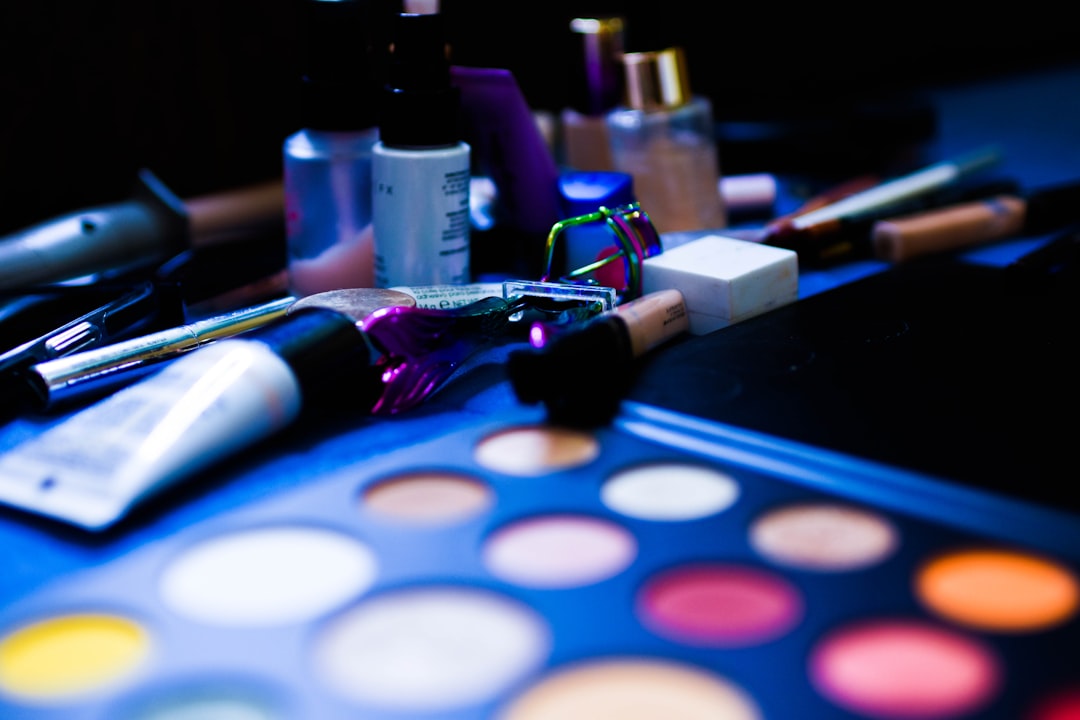
Foundation is the cornerstone of any makeup look, yet choosing the right one can feel overwhelming with countless formulas, shades, and finishes available. As professional visagistes, we understand the challenges of finding that perfect match. This comprehensive guide will walk you through everything you need to know to select a foundation that looks like second skin.
Understanding Your Skin Type
Before you can choose the right foundation, you must accurately identify your skin type. This fundamental step determines which formulas will work best for you and which will cause problems. Skin types generally fall into five categories: normal, dry, oily, combination, and sensitive.
Normal skin maintains a balanced level of moisture and oil production, feeling neither tight nor greasy. If you have normal skin, you're fortunate to have the widest range of foundation options available. Dry skin feels tight, especially after cleansing, and may show flaky patches or fine lines. This skin type requires hydrating foundations that won't emphasize texture.
Oily skin produces excess sebum, particularly in the T-zone, leading to shine and potential breakouts. Foundations for oily skin should be oil-free and mattifying. Combination skin displays characteristics of multiple types, typically oily in the T-zone and normal to dry on the cheeks. This requires either using different foundations on different areas or choosing a balanced formula.
Sensitive skin reacts easily to products, showing redness, irritation, or breakouts. For sensitive skin, look for foundations labeled as hypoallergenic, fragrance-free, and non-comedogenic. Understanding your skin type is the first step toward foundation success.
Identifying Your Undertone
One of the most crucial aspects of choosing foundation is matching your undertone, not just your surface skin color. Undertones are the subtle hues beneath your skin's surface and remain constant regardless of sun exposure or skin concerns. The three main undertone categories are cool, warm, and neutral.
Cool undertones have hints of pink, red, or blue beneath the skin. If silver jewelry flatters you more than gold, and your veins appear blue or purple, you likely have cool undertones. Warm undertones show yellow, peachy, or golden hues. Gold jewelry tends to look better on warm undertones, and veins appear greenish.
Neutral undertones are a balanced mix of warm and cool, making it challenging to determine if you lean toward pink or yellow. Both gold and silver jewelry look equally good on neutral undertones. Some people also have olive undertones, which contain green or gray hues and can be tricky to match.
Professional visagistes use several tests to determine undertones. The white paper test involves holding white paper next to your face in natural light; if your skin looks yellowish, you have warm undertones, while pink indicates cool undertones. The jewelry test mentioned earlier is also reliable, as is examining the color of your veins on your wrist in natural light.
Foundation Formulas Explained
Foundation comes in various formulas, each offering different coverage levels, finishes, and benefits. Liquid foundations are the most versatile and popular option, suitable for most skin types. They offer buildable coverage from sheer to full and come in various finishes from matte to dewy.
Cream foundations provide heavier coverage and are excellent for dry or mature skin due to their moisturizing properties. They're typically packaged in compacts or pots and offer a natural to full coverage finish. However, they may be too heavy for oily skin types.
Powder foundations are ideal for oily skin as they absorb excess oil and provide a matte finish. They're convenient for touch-ups throughout the day but can emphasize dry patches on dry skin. Stick foundations offer portability and convenience, providing medium to full coverage with a semi-matte finish.
Cushion foundations, popular in Korean beauty, contain liquid foundation in a sponge-soaked compact, offering light to medium coverage with a dewy finish. BB and CC creams provide lighter coverage with skincare benefits, perfect for everyday wear or those preferring a natural look. Tinted moisturizers offer the lightest coverage, combining hydration with a hint of color.
Coverage Levels
Foundation coverage refers to how much of your natural skin shows through the product. Understanding coverage levels helps you choose what's appropriate for different occasions and personal preferences. Sheer coverage offers the most natural look, evening out skin tone while allowing freckles and natural skin texture to show through. It's ideal for good skin days or casual settings.
Light coverage provides slightly more coverage than sheer, offering a natural appearance while covering minor imperfections. It's perfect for daytime wear and those who prefer a barely-there makeup look. Medium coverage conceals most blemishes and discoloration while still looking natural. This level works well for everyday wear and most occasions.
Full coverage provides maximum concealment of blemishes, scars, hyperpigmentation, and other skin concerns. It's ideal for special events, photography, or when you want a flawless finish. However, full coverage requires careful application to avoid looking heavy or cakey.
Remember that coverage is buildable with most liquid and cream foundations. Starting with less product and adding more as needed gives you better control and a more natural result than applying too much at once.
Foundation Finishes
The finish of your foundation dramatically affects the final look of your makeup. Matte finishes provide no shine, creating a flat, smooth appearance. They're excellent for oily skin and for those who prefer a sophisticated, polished look. However, matte finishes can emphasize dry patches and fine lines on dry or mature skin.
Satin finishes offer a soft, natural appearance with a slight sheen that mimics healthy skin. This versatile finish works for most skin types and occasions, providing a modern, fresh look without excessive shine. Dewy finishes create a luminous, glowing appearance that suggests youthful, hydrated skin. They're perfect for dry skin and popular among those seeking a fresh, radiant look.
Radiant or luminous finishes fall between satin and dewy, offering noticeable glow without looking oily. Natural finishes aim to mimic bare skin, providing coverage without an obvious finish. They adapt to your skin's natural texture and work for various skin types.
Consider your skin type and the occasion when choosing a finish. Oily skin typically benefits from matte or satin finishes, while dry skin looks best with satin to dewy finishes. For professional settings, matte or satin finishes are generally more appropriate, while dewy finishes work beautifully for social events and photography.
Testing Foundation Shades
Finding your perfect shade match requires proper testing techniques. Never test foundation on your hand or wrist, as these areas rarely match your face. Instead, test along your jawline, blending down onto your neck. The perfect shade should disappear into your skin without any visible line of demarcation.
Always test foundation in natural daylight if possible, as store lighting can be deceptive. Many retailers now allow you to take samples home to test in different lighting conditions throughout the day. Apply foundation, let it sit for at least ten minutes to see how it oxidizes, then check the match in multiple lights.
It's wise to have two shades: one for winter when your skin is lighter, and one for summer when you may tan. You can also mix shades to create your perfect match as your skin tone changes with seasons. Professional makeup artists often custom-mix foundations to achieve the ideal shade for clients.
When testing, also observe how the foundation wears throughout the day. Does it maintain its color or turn orange? Does it separate or cake? Does it control oil or emphasize dryness? These factors are just as important as the initial shade match.
Special Considerations
Certain skin concerns require specific foundation choices. Acne-prone skin benefits from non-comedogenic, oil-free formulas with salicylic acid or other acne-fighting ingredients. Avoid heavy, pore-clogging formulas that may worsen breakouts. Look for foundations that offer coverage without heaviness.
Mature skin requires hydrating formulas that don't settle into fine lines. Avoid heavy matte foundations that can age the appearance of skin. Instead, opt for luminous or satin finishes that reflect light and create a youthful glow. Foundations with skincare benefits like hyaluronic acid or peptides are excellent choices.
Rosacea requires foundations with color-correcting properties, typically those with green or yellow undertones to neutralize redness. Look for gentle, fragrance-free formulas that won't trigger flare-ups. Mineral foundations often work well for rosacea-prone skin due to their gentle, anti-inflammatory properties.
For hyperpigmentation, full-coverage foundations or those specifically designed for uneven skin tone work best. Color-correcting primers beneath foundation can also help neutralize discoloration before applying foundation, reducing the amount of product needed for coverage.
Application Tools and Techniques
Even the perfect foundation can look mediocre with poor application. The tool you choose affects the coverage and finish. Beauty sponges, particularly when damp, create an airbrushed finish with sheer to medium coverage. They're excellent for blending and creating a natural look.
Brushes offer more control and can build coverage more easily than sponges. Flat-topped buffing brushes create fuller coverage with a polished finish, while stippling brushes provide a lighter, more natural finish. Fingers can also apply foundation effectively, with body heat helping the product meld with skin for a natural finish.
For application, start with a small amount of product and build coverage gradually. Apply foundation where you need it most, typically the center of the face, and blend outward. Pay attention to blending along the jawline, hairline, and around the nose to avoid visible edges.
The Role of Primer
While technically separate from foundation, primer significantly affects how foundation looks and wears. Primers create a smooth canvas, filling pores and fine lines while helping foundation adhere better and last longer. Choose primers based on your skin concerns and desired finish.
Mattifying primers control oil for oily skin, hydrating primers add moisture for dry skin, and color-correcting primers address specific color concerns like redness or sallowness. Illuminating primers add glow beneath foundation, while pore-minimizing primers create a smooth surface.
Making the Final Decision
Choosing foundation involves balancing multiple factors: your skin type, undertone, desired coverage, preferred finish, and specific skin concerns. Don't be afraid to ask for help from beauty advisors or professional makeup artists who can assess your skin and recommend appropriate options.
Remember that the most expensive foundation isn't always the best for you. Excellent foundations exist at various price points. What matters most is finding the right formula and shade for your unique needs. With this comprehensive understanding of foundation selection, you're equipped to find your perfect match and achieve that flawless, second-skin finish.